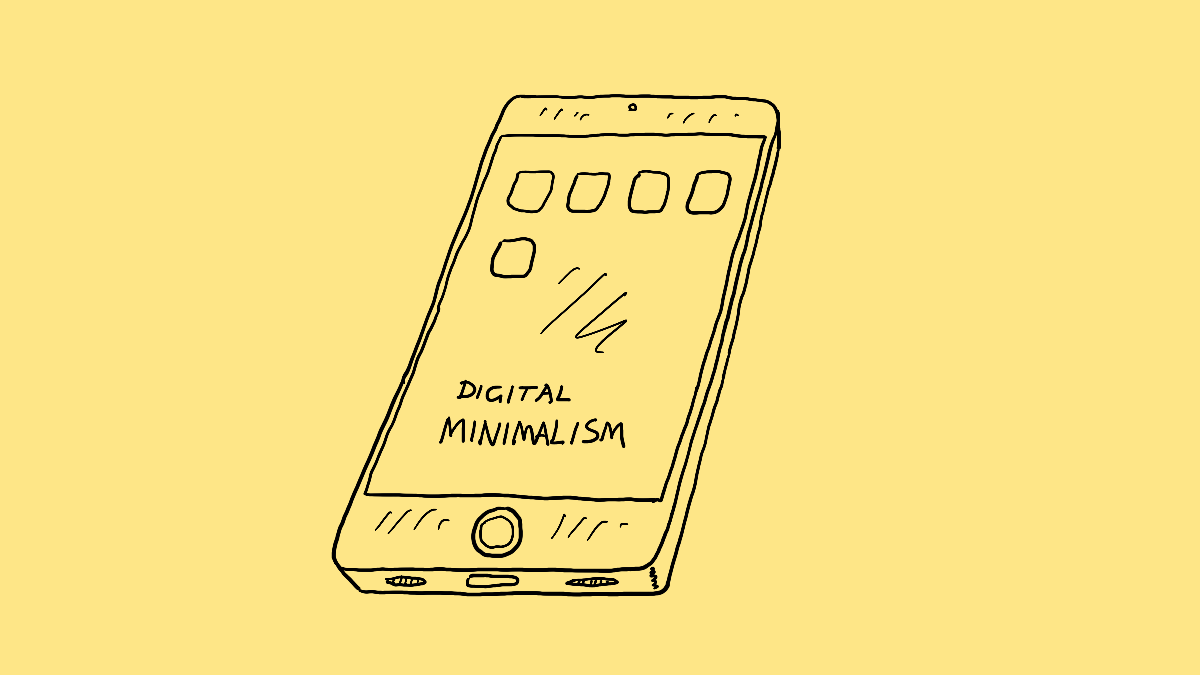
How often do you tune up your tech life or your tech engagement?
I imagine that it was more like a phase if you’ve ever done that. One might make a number of significant adjustments and incorporate new principles, mottos, and values into this emerging and complex sphere. But like all things, our lives gravitate towards complexity and chaos as if chaos and complexity had a gravity all their own. We are all orbiting around it, trying to keep a safe distance and fly an orderly trajectory. We might avoid danger in a crisis because it is pressing and demands our attention (for example, we notice we are becoming acutely anxious the more time we spend on social media pushing us to make an adjustment). But a trajectory towards danger happens incrementally. And so, setting the trajectory again and again at more regular intervals is a better and more helpful management in this metaphor.
Rereading a book is like setting the trajectory again. Rereading is like reassessing.
Rereading the book Digital Minimalism by Cal Newport served this purpose for my own orbit around the tech planet as I skim across its atmosphere. Rereading the book was a reminder of the way that tech is designed. Tech (and media) corporations, like any corporation, want you to keep coming back to their products. Of course that’s what Cal Newport also wants (presumably). He wants me to keep engaging with his book. And I have! As I reread it, I saw the need to adjust my habits and engagement with my phone again.
Despite my convictions and principles about my phone, I reflect and see that I have drifted into practices I was seeking to avoid. And then I am reminded of how hard companies work to get my attention and to have me return to them. I would consider myself a conscious consumer, yet I can easily get baited into a more compulsive use of my technologies and the media to which I subscribe.
Obviously, I am proposing that we cannot be content to drift into more complexity and chaos regarding our use of technology. These new media and technology improvements are developing at such a rapid rate and we are adjusting at a much slower rate with little understanding of what it is doing to us even as there is a growing body of literature about what it does to us. With humility, we understand that we understand very little, although we are fooled by our collective genius to create such technologies. But this collective human intellect and genius does not translate to a correlating amount of practical wisdom.
We know that knowing stuff is not enough. Character is important. So on principle, a degree of humility that assumes that one is getting it wrong will serve us well. Just as new media sows dissatisfaction in us, ironically leading us to seek satisfaction in them (as if the poison were the cure), we can cultivate and embrace dissatisfaction with our engagement with new technologies and new media. This causes us to constantly reflect and assume that we are not engaging well and could engage better with something so unknown. Less engagement is not the answer of course. Less thoughtless engagement is the answer as well as more thoughtful engagement. This will require re-assessing. And maybe even something counter-cultural and seemingly counter-productive, the act of rereading (digital minimalism, that is). A great book.


Three years on and I feel like rereading your thoughts on this a great reminder. (Presumably) Robbie wants me to do this 😉
LikeLiked by 1 person
I concur with what you have said and agree that tech is made to, “draw us in”.
LikeLike