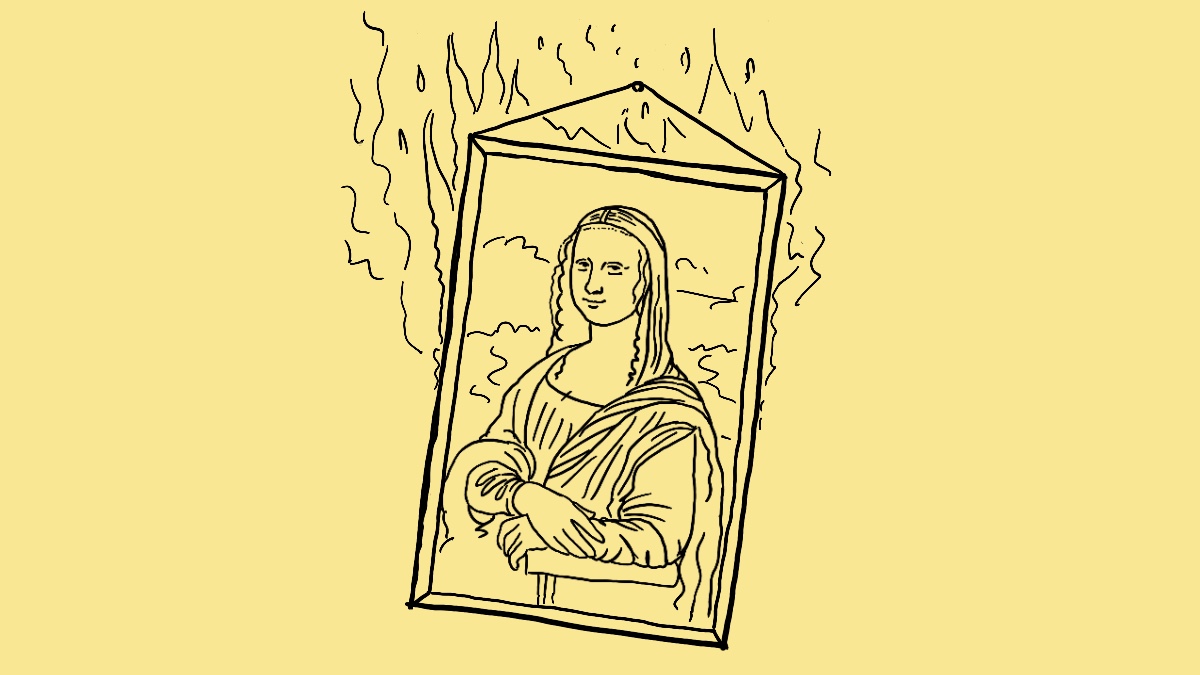
We are exiles in the world. But how should we live in the world? Is it our goal as Christians to transform the world through creating Christian education, Christian government, and a Christian ethos for every workplace? We are certainly called to be faithful Christians in those areas. But that is very different to making those areas “Christian”.
VanDrunen proposes that we be joyfully detached and critical servants in the world. This is how we engage with our cultural activities.
The kingdom of God is not about creating Christian education, government, or workplaces. That is because the kingdom of God in this world can only be identified with the church for which Christ instituted, the community which gathers around God’s proclaimed word in faith and obedience. (p.101) So when we pray “your kingdom come”, we are not praying for the world to change necessarily, we are praying for the church to grow.
We are not engaged in bringing God’s kingdom to earth when we cajole those around us to live in ways that are more aligned with the Christian ethic, whether through education, politics, or general workplace ethos. We are actively contributing to the kingdom of God when we see the church grow, people come to believe in Jesus, and Christians strengthened in their faith. As a secondary matter, our influence in education and politics in the workplace may bring about an environment more aligned with the Christian ethic. But we ought to delineate that from the notion of contributing to God’s kingdom.
What we do want to see is Christians live according to Christian ethics. That’s hard enough! Jesus doesn’t command the government to live according to the Christian way of life. He only ever commands the church to live according to the kingdom ethics which he preached. (p.115) That’s not to say that kingdom ethics won’t benefit the world around us. There can be a case made that where nations took on Christian ethics at a governmental level more peace and prosperity prevailed. But that ‘blessing by association is not the mission.
So finally, what kind of life characterises a Christian living in this world as an exile? We are to be characterised by joy, detached from the world, critical of the culture, but servants of all people.
Ecclesiastes speaks to this theme by encouraging joyful work yet with a detachment from the world and its vanities. Cultural work is a great joy and blessing. However, that doesn’t mean that we are uncritical of the worldly culture around us. We avoid being conformed to worldly thinking which requires active critical thinking. At times this will require argument and debate. It’s not as if we are totally detached from the world. Equally, we are not transforming the world like it’s our kingdom mandate to do so. Nor are we sitting back and watching the world burn in its own cultural furnace.
It seems like we are seeking to strike a balance between cultural engagement, both in terms of service to our neighbour and criticism of the worldly culture. But I’m not sure that “balance” is the right word because the emphasis in the Bible and for the Christian life is to be one of worldly detachment. Our cultural engagement is important, but it certainly isn’t the emphasis of the Bible. We deal with the world as though we had no dealings with it in the words of 1 Cor 7:31. This world is passing away along with its cultural activities like marriage and commerce. That’s not to say they aren’t important. How we conduct ourselves in our marriage in our dealings with the world, whether with justice and grace and love, are of great concern before our God. VanDrunen rightly comments, “Contrary to what some people suggest, we are to spend time on things that do not last.” (p. 166)
Having this kind of mindset and understanding from the Bible will obviously change the way you engage in the activities of this world. Having our minds and hearts set on the kingdom of God as understood to be the new world to come (as opposed to this world which is passing away) and which the worldly expression is the institution of the church will help every Christian pilgrim on their journey through this wilderness. This will especially be true in our day and age as worldly tethers and anchors are prevalent in our cultural worldview. While everyone lives and works for this world, we live and work in this world, but for another world.
VanDrunen, D. (2010). Living in God’s two kingdoms: A biblical vision for Christianity and culture. Crossway. (99-130)
 Bigvai and Shiphrah