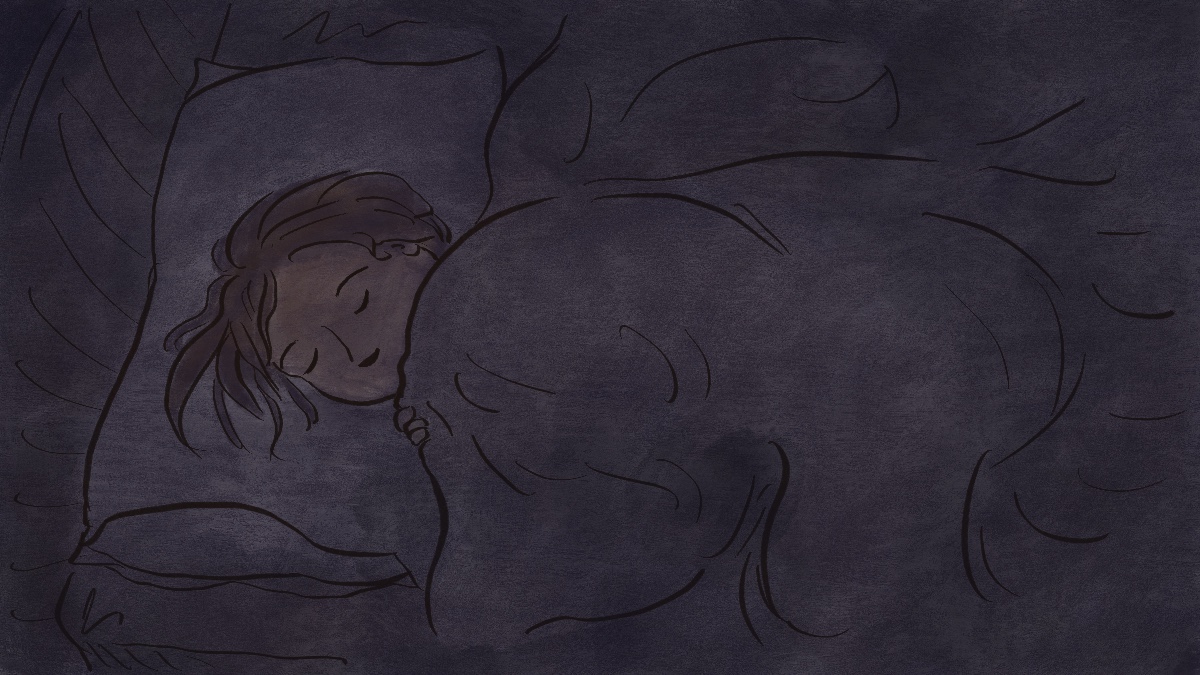
Changes in life don’t always occur by addressing something directly. Change can happen by addressing auxiliary or associated areas. So your house is freezing cold, turn the heater on. The heater isn’t fixing the problem! How is this possible? We must first close the windows and doors!
Sleep is much like closing the front door and making sure the windows don’t let a draught in. Perhaps your life is a little frosty. You always seem to be sick. Energies on the lower end (not that you remember what the higher end looks like). You can’t remember what memory even is (something to do with making a computer work?). To address all these problems you are taking lots of vitamin C, drinking lots of coffee, and making sure you have a good catalogue system so you never forget things. This is like turning the heater on and leaving the doors open to the dark, cold world outside. That is, if you’re not getting enough sleep.
Now, we think that those matters above are rather important (health, energy, mood etc). Certainly they are important. But what if you put holiness in that category too? What if we were exerting ourselves to be holy people, godly and righteous people, as our Lord has called us to be, yet for some reason we keep stumbling into foul moods, we keep doubting God’s goodness in our sufferings, and we have no energy to go about his mission? We can’t just call it a matter of “personality,” saying to ourselves, “God must have just made me this way and there’s nothing I can do about it.” It might not simply be a “thorn in the flesh” inflicted upon you by God. What if it was a thorn in your mind inflicted upon you, by you? Specifically, your lack of sleep. Perhaps it is the case that your holiness is hindered by your sleeplessness. That’s cause for alertness.
Here is Geoff Robson quoting Don Carson, “…If you are among those who become nasty, cynical, or even full of doubt when you are missing your sleep, you are morally obligated to try to get the sleep you need. We are whole, complicated beings: our physical existence is tied to our spiritual well-being, to our mental outlook, to our relationships with others, including our relationship with God. Sometimes the godliest thing you can do in the universe is get a good night’s sleep – not pray all night, but sleep. I’m certainly not denying that there may be a place for praying all night; I’m merely insisting that in the normal course of things, spiritual discipline obligates you to get the sleep your body needs.” (p.74)
What a challenge! The moral obligation to sleep is tied to our embodied nature. Let this shape our perspective on sleep. It might be that we think sleep is a luxury in a busy world. This is task oriented thinking and erroneous. To live in the world is not just a matter of doing, but of being. The amount of work you do or the amount of experiences you accumulate will pale in comparison to the kind of person you are. You are to be a holy person. And if you struggle to be a holy person because of your lack of sleep, then this area of your life needs addressing. If your sleeplessness causes you to sin then ‘cut off’ your sleeplessness.
Robson questions us, saying, “Are doubts more likely to creep in when you’re overworking? Then get more sleep. Do you get angrier and more irritable when you’ve had too many late nights? Then get more sleep. Do you find it harder to be patient with others when you’re tired? Then get more sleep. Does life just seem harder and more overwhelming when you’ve been burning the candle at both ends? Then get more sleep.” (p.76)
Chances are that if you’re convicted by these challenges, you already know that you need more sleep. It’s not that you need better education about sleep (although that never hurts). Simply having more information isn’t going to change your life nor your sleeping patterns. It’s more likely a matter of wisdom and willpower to act accordingly. Sleeplessness might not merely be a thing to see your doctor about. Perhaps it’s something that you need Christian accountability for, and Christian support in. Because it’s not merely a matter of bodily health. In a very serious way, it could be a matter of holiness.
Perhaps it’s fitting to end with a prayer from the Valley of Vision titled, ‘Sleep’.
Blessed Creator,
Thou hast promised thy beloved sleep; Give me restoring rest needful for tomorrow’s toil; If dreams be mine, let them not be tinged with evil. Let thy Spirit make my time of repose a blessed temple of his holy presence.
May my frequent lying down make me familiar with death, the bed I approach remind me of the grave, the eyes I now close picture to me their final closing. Keep me always ready, waiting for admittance to thy presence. Weaken my attachment to earthly things. May I hold life loosely in my hand, knowing that I receive it on condition of its surrender; As pain and suffering betoken transitory health, may I not shrink from a death that introduces me to the freshness of eternal youth. I retire this night in full assurance of one day awaking with thee. All glory for this precious hope, for the gospel of grace, for thine unspeakable gift of Jesus, for the fellowship of the Trinity. Withhold not thy mercies in the night season; thy hand never wearies, thy power needs no repose, thine eye never sleeps.
Help me when I helpless lie, when my conscience accuses me of sin, when my mind is harassed by foreboding thoughts, when my eyes are held awake by personal anxieties.
Show thyself to me as the God of all grace, love and power; thou hast a balm for every wound, a solace for all anguish, a remedy for every pain, a peace for all disquietude. Permit me to commit myself to thee awake or asleep.
Robson, Geoff. Thank God for Bedtime: What God Says about Our Sleep and Why It Matters More than You Think, 2019.
Bennett, Arthur. The Valley of Vision: A Collection of Puritan Prayers & Devotions. Edinburgh: Banner of Truth Trust, 2002. p.298-299
 Bigvai and Shiphrah